
Science & Research
Science & Research

With more than 75 years of experience in environmental protection and conservation, SNC is the leading scientific resource for the South Nation River Watershed.
As on-the-ground science implementers, we work closely with our member municipalities on important watershed management functions that require considerable scientific input.
We take science knowledge seriously. Science information: influences our program planning decisions; assists our program evaluation; identifies staff training needs; and helps identify the need for policy action.
South Nation Conservation uses the scientific knowledge acquired by its experts to develop sub-watershed reports, watershed bulletins, and fisheries management plans.
Watershed reporting is a management and evaluation tool that enables South Nation Conservation and its partners to better target programs and measure changes in the environment. These reports provide a large amount of technical information in an easily understandable way. Member municipalities, agencies, and other local organizations can use the results of these reports to design their programs.
Ontario's Conservation Authorities prepare watershed health bulletins every five years. These newsletters provide information about the environment, based on consistent standards across Ontario.
Attachments
- City Stream Watch Summary Report (2014)
- Phosphorous Loading Algorithms (2003)
- City Stream Watch Summary Report (2015)
- Forest Cover and Trends Analysis (2016)
- Forest Cover Summary (2016)
- North Castor River Stream Watch Report (2015)
- Hoasic Creek Subwatershed Plan (2008)
- North Castor Subwatershed Plan (1996)
- Low Water Response in the South Nation Jurisdiction (2014)
- City Stream Watch Report (2017)
- Invading Species Watch Program Annual Report (2017)
- Eastern Ontario Water Resources Management Study Final Report (2001)
- Eastern Ontario Water Resources Management Study Final Report Appendices (2001)
- Canada's Changing Climate Report
- City Stream Watch Report (2018)
South Nation Conservation has several monitoring programs in place to:
- identify issues, project future conditions,
- focus natural resource management actions where they are needed most, and
- track progress over time.
Monitoring watershed conditions helps to inform local watershed plans and programs.
We collect data across the watershed using a combination of Provincial Programs and Partnerships:
- Surface water quality through the Provincial Water Quality Monitoring Network
- Groundwater quantity and quality through the Provincial Groundwater Monitoring Network
- Biological and morphological stream condition using the Ontario Stream Assessment Protocol and the Ontario Benthos Biomonitoring Network
Data is collected and reported to help communicate baseline information on watershed health; to answer questions such as: "Which streams are healthy? Which are unhealthy? How is their health changing from stream reach to stream reach and from year to year?" This type of information is vital to SNC—it identifies watershed health issues and helps to identify stresses that are impacting the aquatic environment. This information can then be used to shape our other programs.
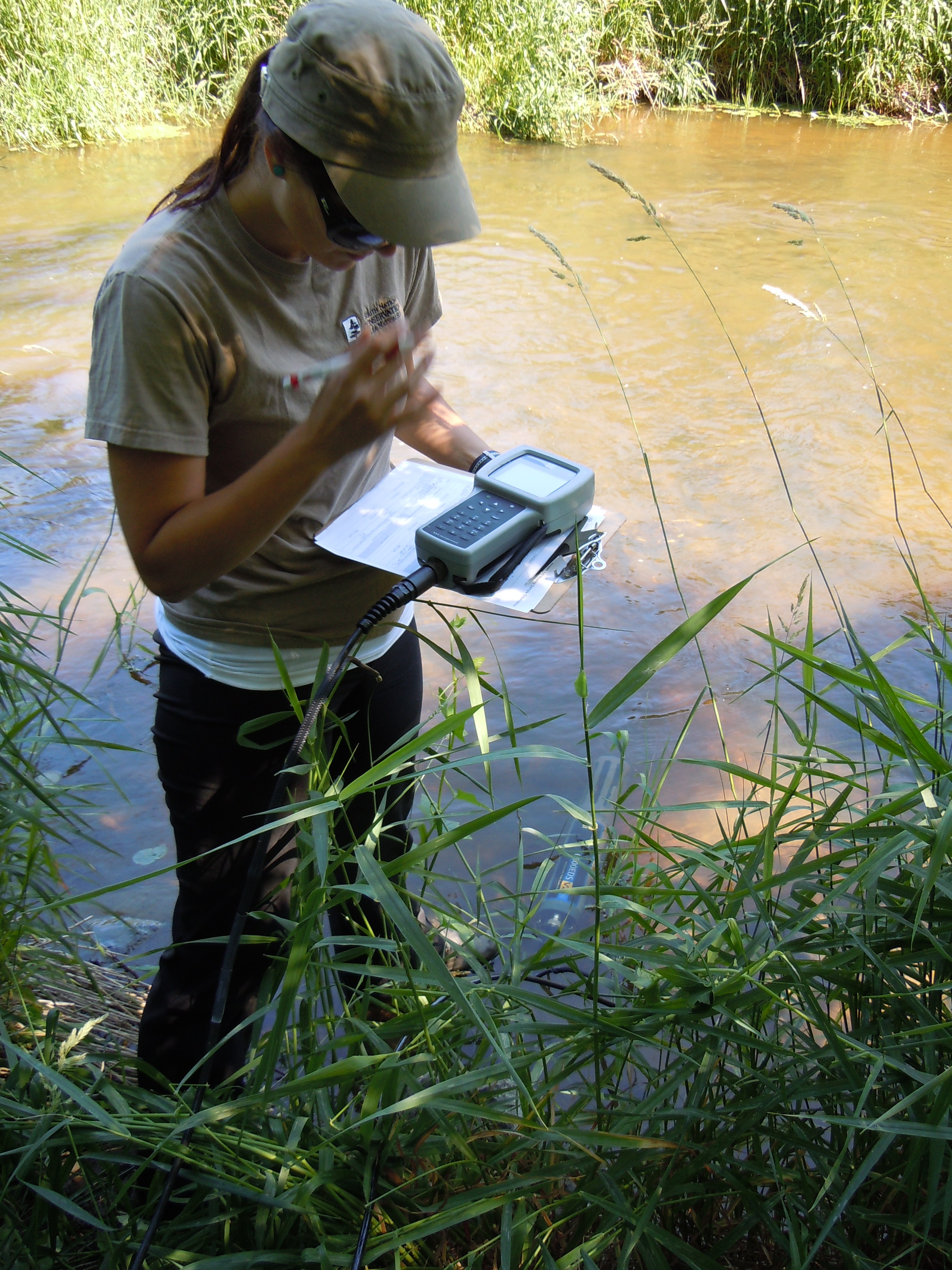
SNC initiates and collaborates on research projects involving aspects of the watershed’s natural, cultural, and recreational values.
SNC and our research partners conducted a study to evaluate the effectiveness of a fishway in Indian Creek. The findings, published in the Ecology of Freshwater Fish journal in 2013 can be found here.
The Emerald Ash Borer is an invasive beetle, targetting and killing thousands of Ash trees in our watershed. A biological control programme for the invasive specie has been researched by Butler et al. and their findings have been published in The Canadian Entomologist (2022).
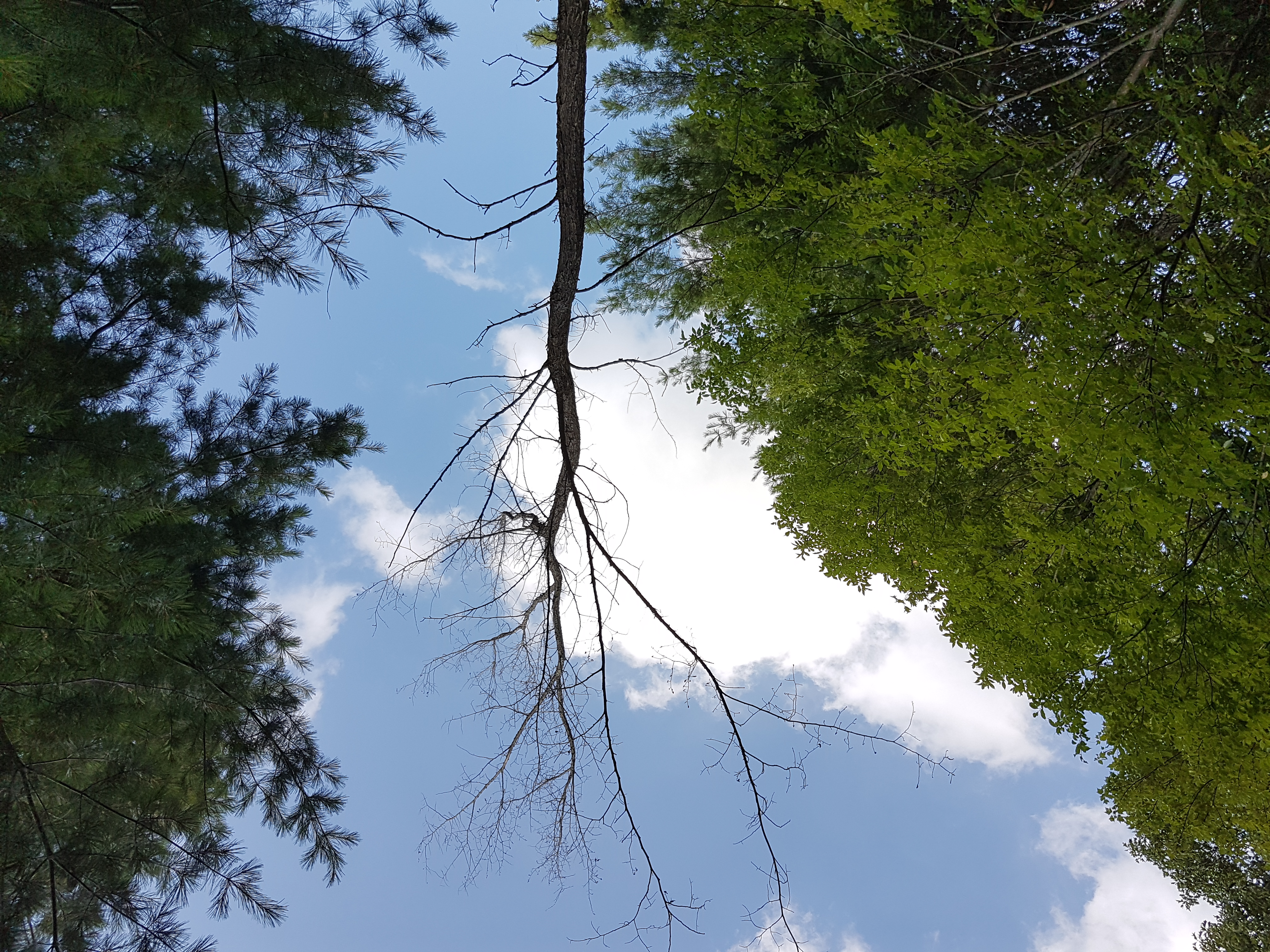
Learn more: Butler 2022 - Introduction and Establishment
This page provides direct access to national and international publications of interest, compiled by SNC to serve as a resource for residents, academia, media, and our partners in conservation.
Conservation Authorities Act Review
Discussion Paper // Document de discussion
Watershed Evaluation of Beneficial Management Practices (WEBs) Final Report
Sustainable Prosperity - In Deep Water (2014)
American Water Works Association - Sources and Supply: Protecting forested watersheds is smart economics for water utilities (2014)
Information about Blue-Green Algae: Background, potential impacts to human health and safety of drinking water (2014)
Environment Probe: Water Quality Trading in Ontario (May 2013)
The Value of Water Coalition: A website to educate the public on the importance of clean, safe, and reliable water.
Advancing the Economics of Ecosystems and Biodiversity in Canada: A Survey of Economic Instruments for the Conservation and Protection of Biodiversity–Sustainable Prosperity (June 2011)
CDP Water Disclosure 2010 Global Report–Carbon Disclosure Project (2010)
Integrates Water Resources Management: Bringing It All Together–Water Resources IMPACT (May 2011)
Perspectives on Climate Chance–Canadian Institute of Planners (March 2012)
‘…Silver in the Stars and Gold in the Morning Sun’: Non-farm Rural Landowners’ Motivations for Rural Living and Attachment to their Land–Landscape Research (February 2010)
Statscan researches Canada’s freshwater supply and demand–Environmental Science and Engineering Magazine (Summer 2011)
Telling the Weather Story –The Institute for Catastrophic Loss Reduction for Insurance Bureau of Canada (June 2012)
The length of environmental review in Canada under the Fisheries Act–NRC Research Press (March 2013)
The New Decision-Makers in the Rural Landscape – Who Are Non-Farm Rural Landowners?–Journal of Rural and Community Development (2011)