Partnerships in Action
Working with others is a central tenet of SNC’s conservation practices. We realize the strength of the collaborative advantage by maintaining productive partnerships with other agencies, academic communities, and landowners to advance our common goals. Pooling resources increases finances; widens the scope of impact; and allows us to take on projects that otherwise might not be possible.
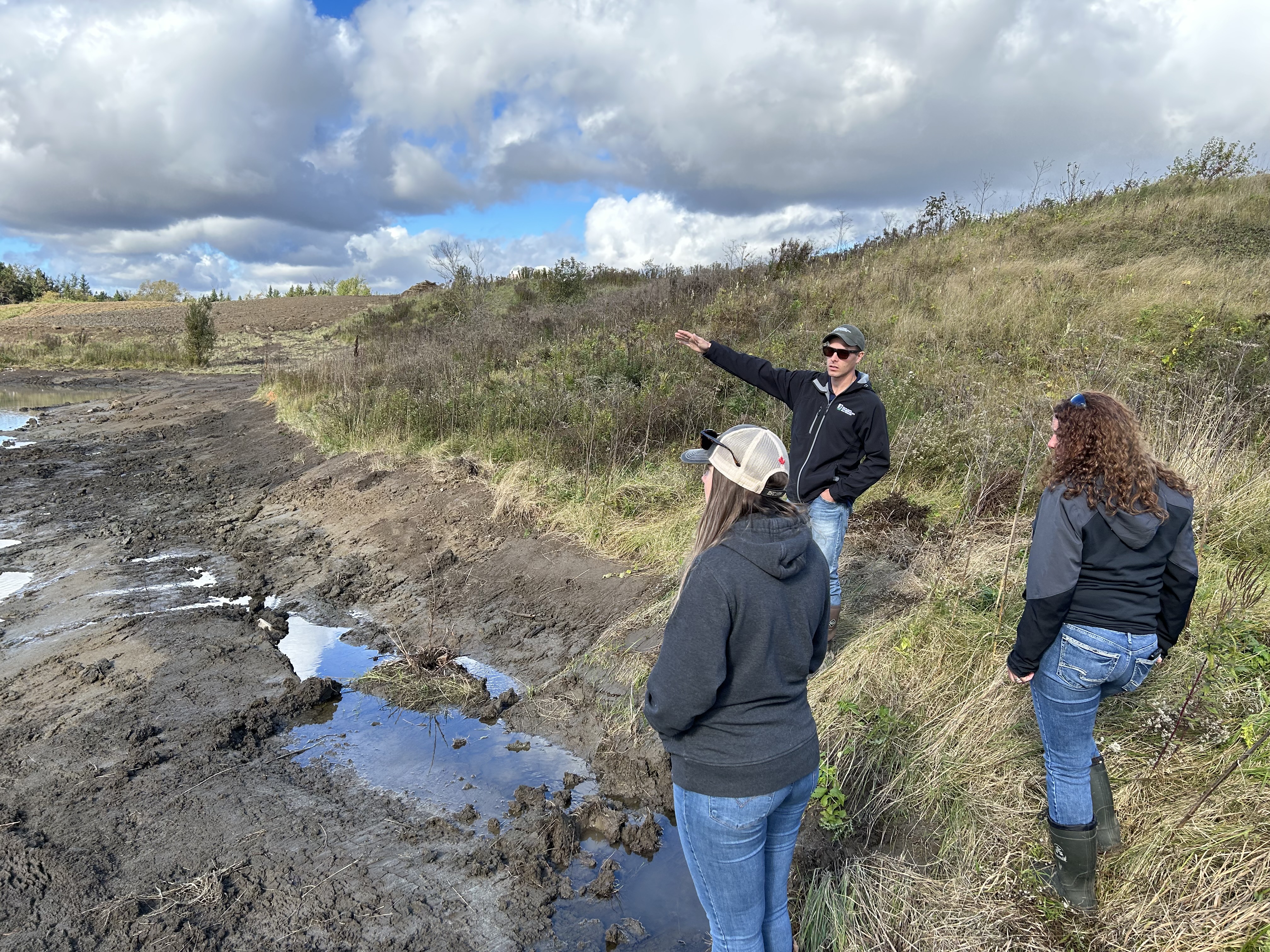
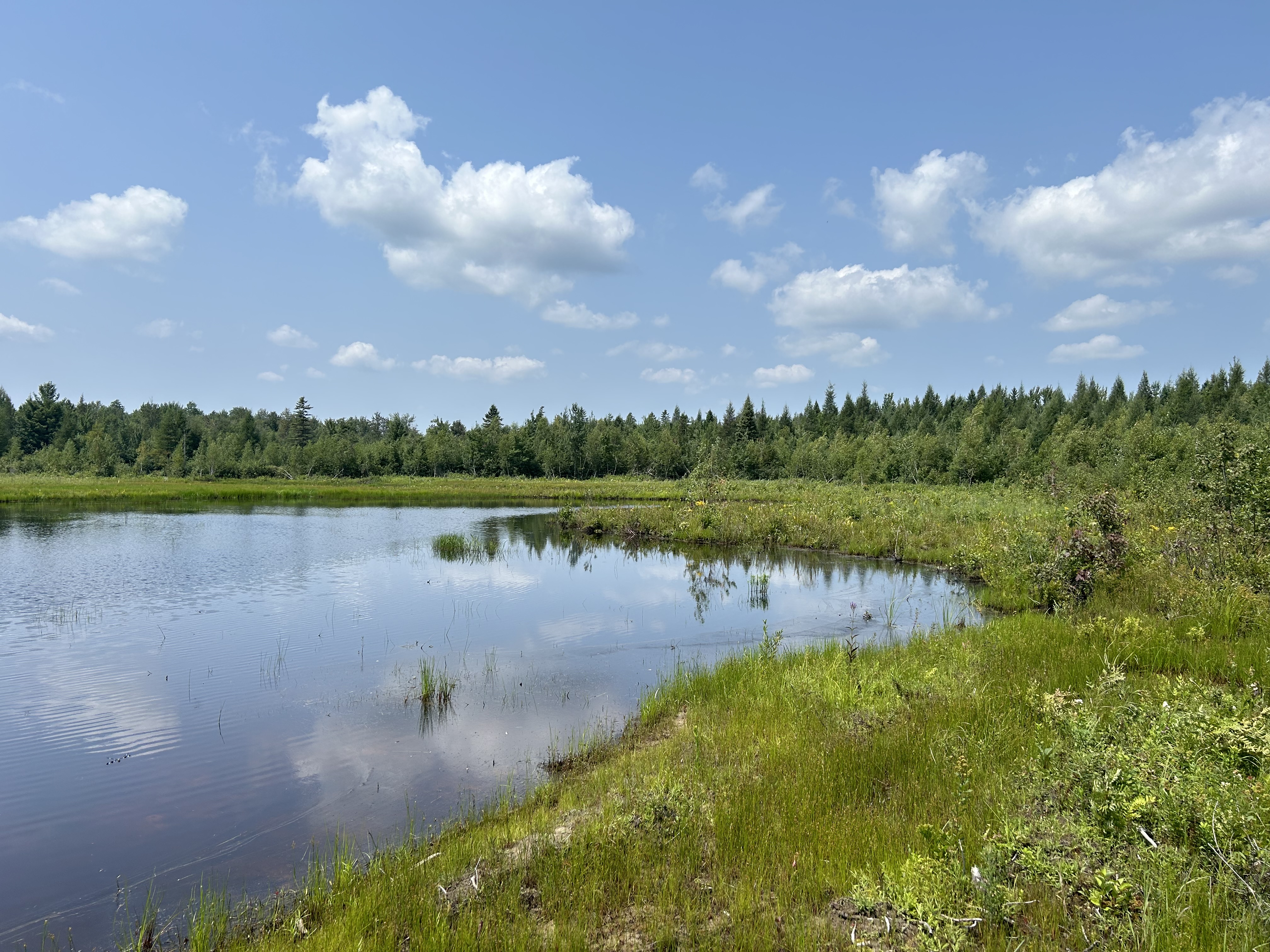
SNC and DUC have formed a strategic, funded partnership since 2021 that focuses on restoring and enhancing wetlands in Eastern Ontario. By joining forces, they've improved biodiversity, water quality, climate resilience, and flood management across multiple sites—from broad regional efforts to specific areas like Two Creeks. The partnership continues to evolve and deliver tangible ecosystem benefits through science-driven wetland conservation.
The partnership targets the restoration of 225 acres of wetlands, primarily on SNC-owned lands, with joint work involving municipalities, agencies, landowners, and private properties.
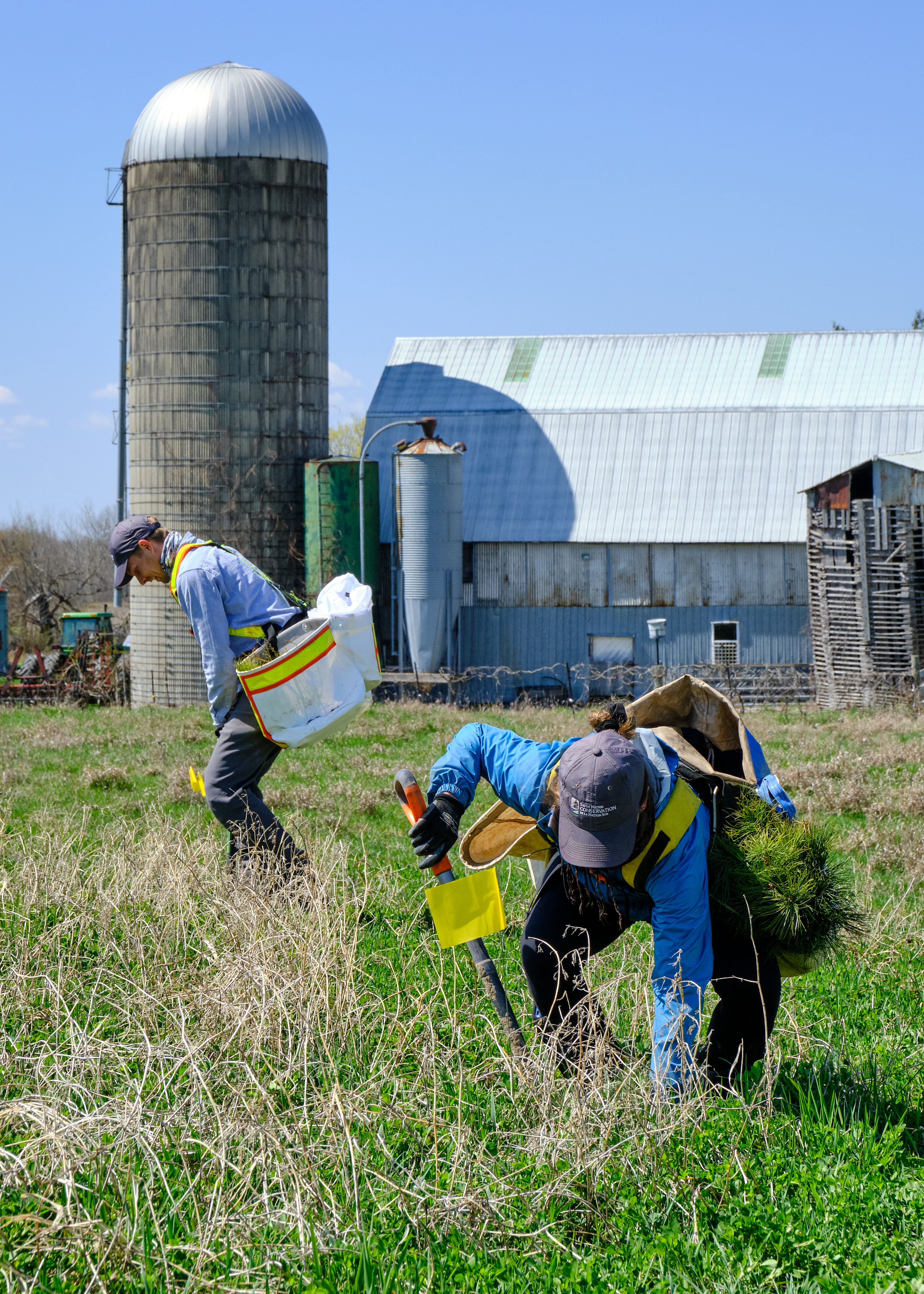
In 2025, active restoration in coastal wetland zones with local fundraising support, tree plantings, trail interpretation, wildlife habitat enhancements, flood protection, and carbon benefits were completed at Two Creeks Forest Conservation Area in the Municipality of South Dundas.
Joint projects included converting spruce plantations into wetlands, building headwater features, and restoring private land wetlands.
South Nation Conservation has partnered with the University of Ottawa to create a computer model that will help show the cumulative effects of watershed impacts on development. This Cumulative Effects Modelling Project also includes the Ontario Ministry of Natural Resources and other Conservation Authorities. The end result will be a tool that helps SNC Planning and Regulations staff assess development impacts before they are put in place.
South Nation Conservation and Carleton University in Ottawa have partnered on two notable projects:
To help fish bi-pass a dam on Indian Creek, SNC constructed a fishway in 2006 on this tributary of the South Nation River, west of Spencerville. Fishways are ladder-like structures that fish swim through and leap up into waters on the other side of an artificial barrier. SNC’s post-construction monitoring of the passage over two springs did not determine if the fish could navigate through. Dr. Steven Cooke, a Carleton professor and world renowned fish passage expert, and his students, have partnered with SNC on the Indian Creek Fishway project to help measure the success of the passage. The Carleton team devised a test to determine how many potential fish migrants could not locate the entrance to fishway, or failed to ascend the fishway. Learn more about the Indian Creek Fishway project here.
The Alfred Bog is the largest high-quality, peat bog in Southern Ontario. To determine the impact that extensive drainage surrounding the Bog is having on this wetland, SNC partnered with Carleton University experts to undertake an in-depth hydrological study of the area.

The Eastern Ontario Water Resources Management Study was completed in 2001 and provided a comprehensive regional overview of surface and ground water resources within the study area. The report published 35 recommendations for water resources protection in Eastern Ontario.
Since 2003, study partners have been implementing recommendations from the report under the Eastern Ontario Water Resources Program.
Call for 2025 Project Proposals
In 2025, there is approximately $20,000 in funding available to continue implementing study recommendations. Not-for-profit organizations, municipalities, conservation authorities, and academic institutes are invited to submit a proposal for consideration.
Below is a list of resources to assist proponents with completing their submissions.
- Proposal Submission Deadline: June 6th, 2025
- Eligible Area: Eastern Ontario Water Resources Program Study Area
- Project Proposal Guidelines
- Proposal Submission Form
- Study Recommendations – Summary Table with Recommendation ID #
- Eastern Ontario Water Resources Management Study
- Eastern Ontario Water Resources Management Study: Appendices